For many companies, finding ways to reduce PCB manufacturing costs without sacrificing performance or reliability is a top priority. Printed circuit boards (PCBs) are the backbone of modern electronics. Whether you’re developing consumer gadgets, medical devices, automotive systems, or industrial equipment, the cost of PCB manufacturing directly impacts your bottom line.

The good news is that cost savings are achievable—not by cutting corners, but by designing smarter, sourcing strategically, and partnering with the right manufacturer. In this article, we’ll explore proven strategies to minimize costs while maintaining high-quality boards.
Why PCB Manufacturing Costs Add Up Quickly
Before exploring cost-saving strategies, it’s essential to understand the sources of expenses in PCB production.
For engineers and purchasing managers, the price tag of a PCB often feels higher than expected. That’s because there are multiple factors—some obvious, some hidden—that compound during design, fabrication, and assembly. Let’s break down the main cost drivers.
1. Design Complexity
Every design choice has a cost implication.
Layer Count – A 2-layer board is far less expensive than a 6- or 8-layer board. Each additional layer requires extra laminations, alignment steps, and inspection, all of which add time and cost.
Via Structures – Simple through-hole vias are cost-effective, but blind and buried vias require advanced drilling and plating processes. Microvias, commonly used in HDI designs, further increase expenses.
Controlled Impedance – Boards that require precise impedance control demand tighter process tolerances and specialized materials, which increase scrap risk and cost.
Fine Pitch Components – Extremely small pad sizes and dense layouts complicate both fabrication and assembly, often requiring more advanced equipment.
👉 The more sophisticated the design, the more labor, equipment, and quality control are needed—driving up PCB manufacturing costs.
✅ Pro Tip: PCBs can be designed using an array of PCB design software such as KiCad, Altium or CircuitMaker, among many other options. Submit your files early. Pre-production review can prevent delays and costly board respins.
2. Materials Selection
The substrate and copper thickness are key contributors.
Substrates – Standard FR4 is cost-effective, but high-frequency laminates (like Rogers or Isola) or high-Tg materials are significantly more expensive.
Copper Weight – Boards with 2 oz or 3 oz copper require thicker plating, additional etching, and often slower processing speeds, which adds cost.
Surface Finishes – HASL is budget-friendly, while ENIG or ENEPIG provides better performance but at a premium price.
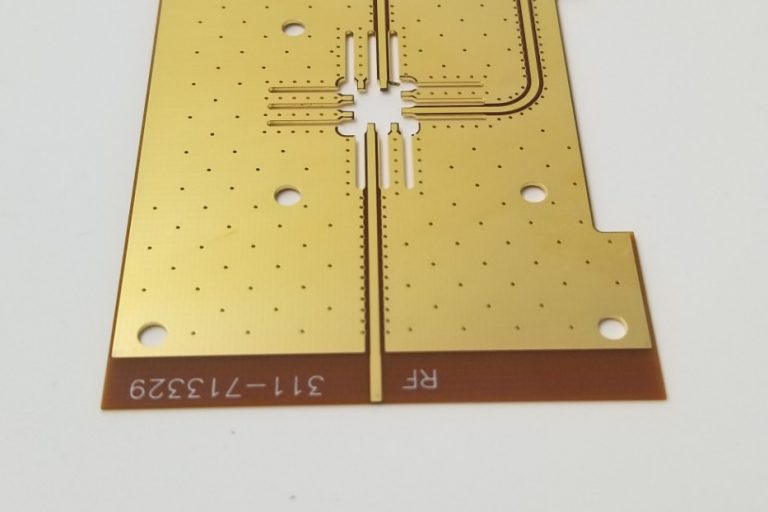
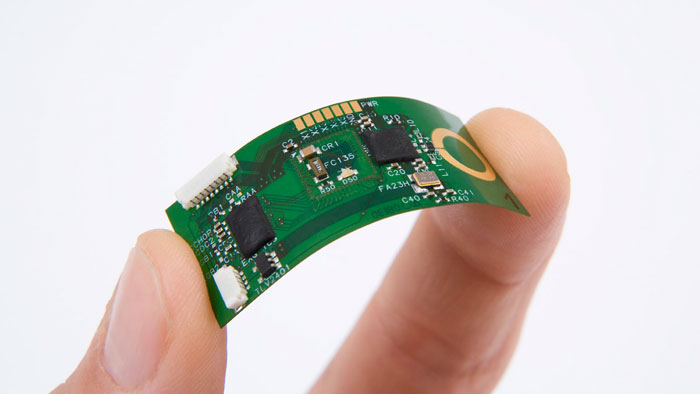
Specialty Materials – Flex, rigid-flex, or hybrid boards require custom materials and lamination steps, which can quickly multiply costs.
👉 Choosing higher-grade materials than necessary often inflates costs without adding meaningful performance benefits.
3. Fabrication Processes
Drilling – Mechanical drilling is standard, but laser drilling for microvias adds cost. More holes also mean more machine time.
Plating – Thicker plating or filled vias require longer processing cycles and additional chemical treatments.
Board Shape – Complex board outlines with curves, cutouts, or internal slots increase routing time and material waste.
Testing Requirements – Functional testing, flying probe, or ICT are vital, but add to per-board costs.
👉 The more non-standard steps in fabrication, the higher the labor and machine time costs.
4. Assembly and Labor
Even if the bare PCB is affordable, assembly can make or break a budget.
Component Count – More parts mean longer pick-and-place cycles and increased soldering time.
Component Types – BGAs, QFNs, and other advanced packages often require X-ray inspection or more precise reflow profiles.
Double-Sided Assembly – Boards requiring soldering on both sides go through reflow twice, adding machine time and cost.
Manual Labor – Any hand soldering, manual inspection, or rework increases per-unit pricing dramatically.
👉 Assembly efficiency is directly tied to smart design and parts selection.
5. Volume and Turnaround Time
How much you order—and how fast you need it—impacts PCB manufacturing costs more than most people realize.
Low Volume Prototyping – Single runs or small batches cost more because setup and tooling charges are spread over fewer boards.
High Volume Production – Larger orders allow economies of scale, reducing cost per unit.
Expedited Services – Rushing a job means jumping the production queue, paying for overtime, and absorbing expedited shipping costs.
Yield Rates – If designs are complex or tolerances are tight, yield may drop, meaning you pay for boards that don’t pass QC.
👉 Planning ahead can dramatically reduce the hidden premium you pay for urgency.
⚡ Bottom line: PCB manufacturing costs add up quickly because every design choice, material, and timeline decision has a ripple effect on cost, affecting multiple downstream processes. By understanding these drivers, you can pinpoint where to optimize without cutting corners.
Practical Tips to Reduce PCB Manufacturing Costs
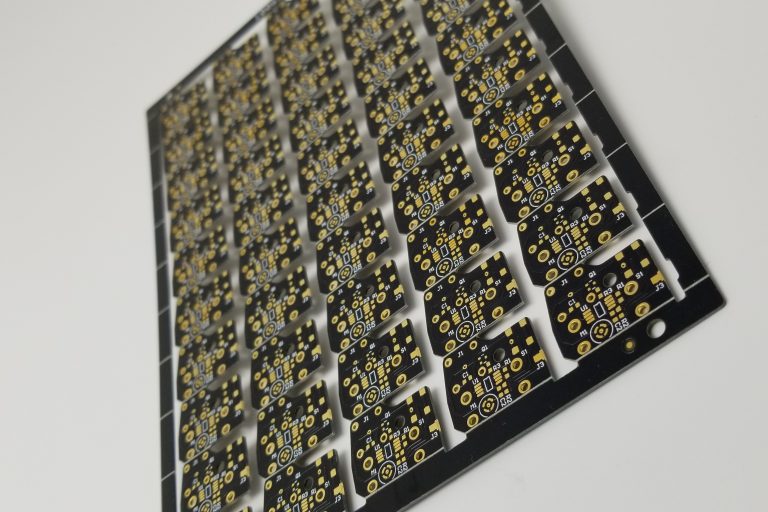
1. Embrace Panelization for Efficiency
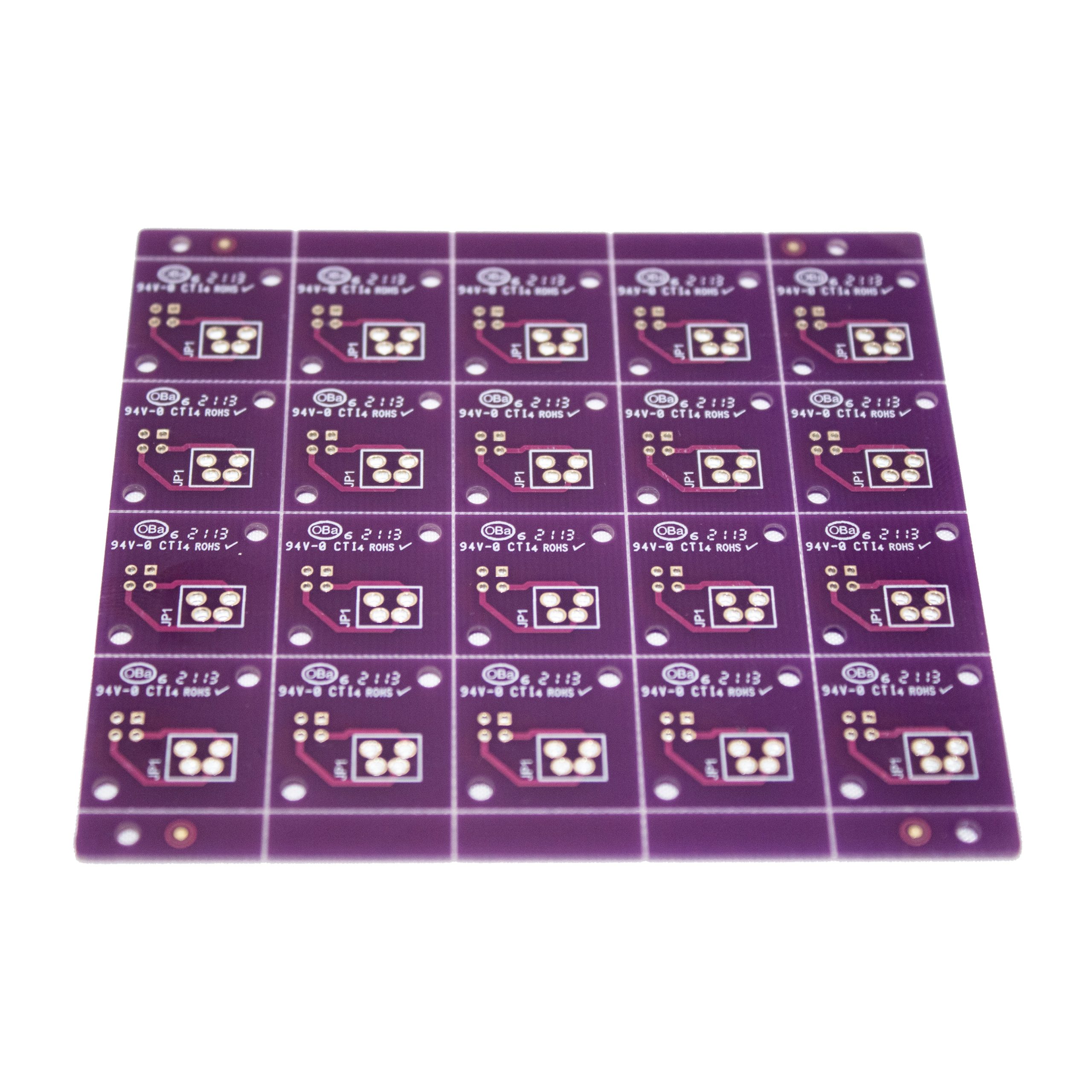
Panelization—arranging multiple PCB designs or repeated circuits onto a single larger panel—streamlines production.
Why it matters: Manufacturers handle fewer panels instead of multiple single boards, reducing setup time and handling costs.
Best practice: Work with your fabricator to design panels with optimal spacing, fiducials, and breakaway tabs.
Pro tip: Standard panel sizes (like 18”x24”) maximize material use and minimize scrap.
👉 Smart panelization can cut material waste and boost throughput without any reduction in quality.
2. Simplify Your Design (Without Losing Functionality)
Complex designs drive up cost exponentially.
Reduce layer count when possible. Fewer layers mean fewer laminations and lower drilling/plating costs.
Minimize via types. Blind and buried vias are useful but expensive. Stick to through-hole vias unless absolutely necessary.
Use standard trace widths and spacing. Ultra-fine features require higher-end processes.
👉 The leaner your design, the cheaper it is to manufacture—without affecting quality if engineered correctly.
3. Optimize Component Sourcing
Component costs can make or break your budget.
Avoid end-of-life (EOL) parts. They’re often expensive and risky to source.
Leverage alternates. Equivalent components can deliver the same performance at lower prices.
Buy in bulk. Higher-volume component orders often unlock better pricing.
Partner with a turnkey manufacturer. They often have direct distributor relationships for better pricing.
👉 Component sourcing is one of the fastest ways to reduce PCB manufacturing costs while avoiding supply chain headaches.
4. Design for Manufacturability (DFM)
DFM ensures your design is easy, consistent, and cost-effective to produce.
Follow standard manufacturing tolerances. Don’t specify unnecessarily tight tolerances that add cost without improving performance.
Use consistent pad sizes. Irregular pads can cause assembly defects.
Place components with assembly in mind. Crowded boards slow down automated placement machines.
Avoid sharp corners and unusual board shapes. Straightforward designs save time and reduce scrap rates.
👉 Every hour your design team spends on DFM pays off tenfold in manufacturing savings.
5. Select the Right Materials
Material choice affects cost and performance.
FR4 is your friend. Unless your design requires high-frequency or high-temperature materials, FR4 is cost-effective and widely available.
Copper thickness. Don’t over-specify. Thicker copper costs more and requires different processing.
Surface finish. ENIG, OSP, and HASL each have cost/benefit trade-offs. Choose based on your application needs.
👉 Optimizing materials doesn’t compromise quality—it aligns cost with actual performance needs.
6. Plan Production Runs Wisely
How you schedule and batch orders matters.
Consolidate small orders. One large run is usually cheaper than multiple small runs.
Avoid expedited fees. Rush orders are costly. Take into account standard lead times when planning a timeline.
Prototype smartly. Use quick-turn services for early validation, but transition to cost-efficient runs as soon as possible.
👉 Good planning reduces per-unit costs dramatically.

7. Test Early and Often
Skipping testing can create costly rework down the line.
Use in-circuit testing (ICT) and flying probe testing. Identify defects before they reach assembly.
Add test points. Simplifies debugging and reduces troubleshooting costs.
Automate inspection. AOI and X-ray inspection reduce labor costs and catch errors earlier.
👉 Testing is not a cost center—it’s a cost saver.
Common Mistakes That Drive PCB Manufacturing Costs Up
Here are some common mistakes to avoid:
Over-engineering the design
Adding unnecessary layers, microvias, or exotic finishes drives costs up with no performance benefit.Ignoring DFM guidelines
Designs that don’t match the manufacturer’s capabilities often require rework or costly adjustments.Last-minute design changes
Each revision increases lead times and material waste.Poor documentation
Missing or unclear BOMs, Gerbers, or assembly drawings lead to miscommunication and errors.
Bonus Optimization Tips
Standardize components. Reduce variety to simplify sourcing and inventory.
Design for automated assembly. Avoid manual soldering wherever possible.
Collaborate with your fabricator. Early engagement leads to better cost trade-offs.
Think lifecycle. Select materials and components that balance cost today with availability tomorrow.
Case Study: How Panelization Saved 20% on PCB Manufacturing Costs
One OnBoard Circuits client struggled with high prototyping expenses. By redesigning their boards for panelization, we reduced handling their PCB manufacturing costs, improved assembly throughput, and cut material waste—delivering a 20% savings without altering design performance.
Final Thoughts
Reducing PCB manufacturing cost is less about cutting quality and more about designing smarter, sourcing strategically, and collaborating effectively with your manufacturer. By applying techniques such as panelization, DFM, smart sourcing, and better planning, you can achieve significant savings while delivering boards that meet or exceed performance standards.
At OnBoard Circuits, we specialize in helping clients design and manufacture cost-optimized PCBs that never compromise on quality.
Ready to lower your PCB manufacturing costs while ensuring top-tier quality?
👉 Contact OnBoard Circuits today for a free consultation on cost-optimized PCB manufacturing.